

Modern Headless Architecture
Built for Speed, Security, and Scalability
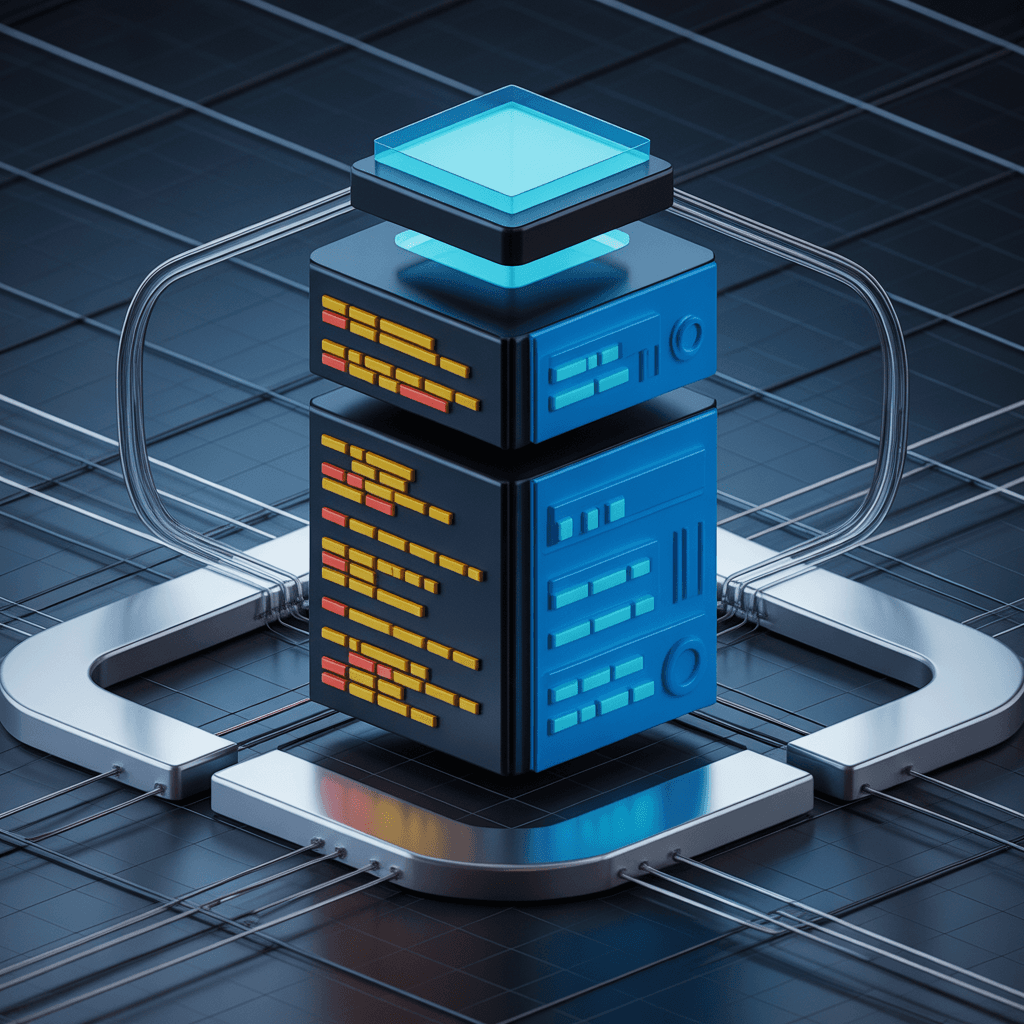
We leverage a decoupled architecture that separates the content management backend from the frontend presentation layer. This approach ensures maximum performance, enhanced security, and future-proof flexibility.
Decoupled for Performance
- Frontend (Head): Built with Next.js, communicating via API.
- Backend (Body): WordPress serves strictly as a content API.
- Communication: Data is fetched via GraphQL or REST API.
React-Powered User Experience
- Static Site Generation (SSG): Pages are pre-rendered at build time for instant loading.
- Server-Side Rendering (SSR): Dynamic content is rendered on the fly for up-to-the-second data.
- Image Optimization: Automatic resizing and serving of next-gen image formats.
- Client-Side Routing: Seamless transitions between pages without full reloads.
Robust Content Management
- ACF (Advanced Custom Fields): Structured data modeling for flexible content editing.
- WPGraphQL or REST API: Efficient, strongly-typed data querying endpoint.
- User Roles: Granular access control for your editorial team.
- Media Library: Powerful asset management with automatic CDN offloading.
Cloud Infrastructure

Vercel Edge Network:
The frontend is deployed to a global edge network, serving content from the server closest to the user.

CI/CD Pipelines:
Automated testing and deployment. Every git push triggers a preview build or production deployment.

Database Security:
The WordPress database is isolated, often on a separate VPS or managed database service.

CDN Caching:
Static assets (images, JS, CSS) are cached globally, reducing server load to near zero.

SSL/TLS:
End-to-end encryption for all data in transit between the client, frontend, and backend.

Serverless Functions:
Backend logic runs on-demand, scaling infinitely without managing servers.
The Core Technologies







Ready to Modernize?
Move away from legacy monoliths. Let's build a future-proof platform for your business.