
Obsessed with Speed
Optimization for WordPress & Next.js
Speed isn't just a feature; it's a competitive advantage. We optimize every layer of your stack—from the WordPress database to the Next.js frontend delivery—to ensure sub-second load times and perfect Core Web Vitals.
Why Speed Matters
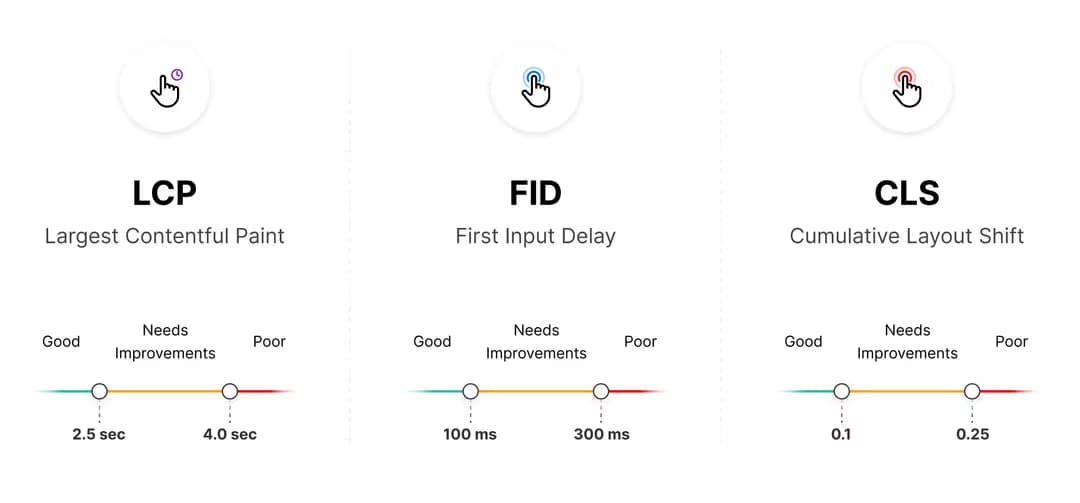
- LCP (Largest Contentful Paint): Ensuring the main content loads instantly.
- FID (First Input Delay): Making the site interactive immediately.
- CLS (Cumulative Layout Shift): Preventing visual instability.
- TTFB (Time to First Byte): Reducing server response times.

Tuning the Engine

Database Indexing:
Optimizing MySQL queries to run in milliseconds by cleaning bloat and adding proper indexes.

Object Caching:
Implementing Redis to store complex query results in RAM, bypassing the database for repeat requests.

Transient Management:
Cleaning up expired temporary options that slow down the `wp_options` table.

Plugin Audit:
Identifying and removing resource-heavy plugins that drag down API response times.

Image Processing:
Offloading image resizing and optimization to the cloud or dedicated microservices.

CDN Integration:
Serving static assets (even for the backend) via Cloudflare or AWS CloudFront.
Frontend Velocity
- Code Splitting: Next.js automatically splits code so users only download the JavaScript needed for the current page.
- Image Optimization: Using `next/image` to serve modern WebP/AVIF formats sized perfectly for the user’s device.
- Font Optimization: Self-hosting or optimizing Google Fonts to prevent layout shifts and flash of invisible text.
- Script Strategy: Loading third-party scripts (analytics, chat) off the main thread using `next/script` strategies.
- Edge Caching: Serving static pages (SSG/ISR) from Vercel’s global edge network for low-latency access worldwide.
Tools of the Trade



Stop Losing Users to Slow Loading
Get a comprehensive performance audit and a roadmap to a 100/100 Lighthouse score.